If you have ever walked a Berkeley block and felt pulled toward a low-slung house with a deep porch, wide eaves, and warm wood details, you already understand the charm of a bungalow. These homes feel welcoming in a way that still fits modern life, whether you are buying your first home, planning a move, or simply curious about Berkeley architecture. In this guide, you will get a practical look at what makes Berkeley bungalows special, how they became part of the city’s fabric, and what everyday ownership can really involve. Let’s dive in.
What Defines a Berkeley Bungalow
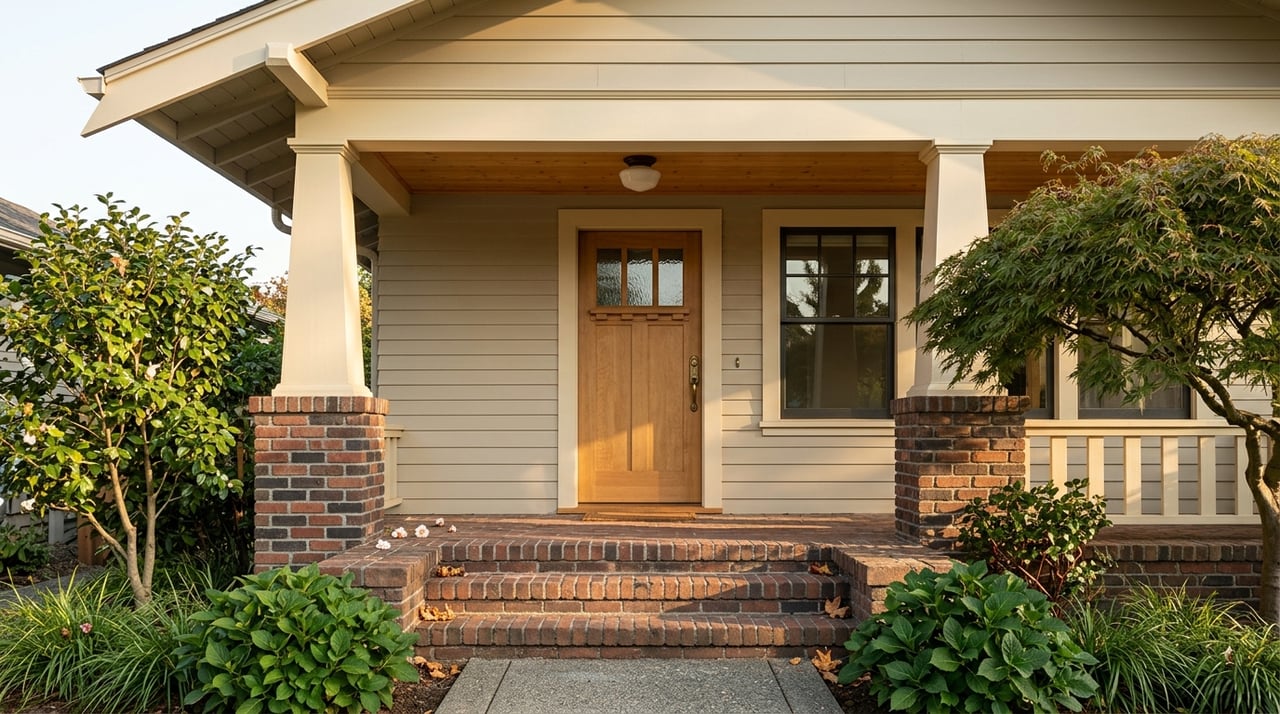
Berkeley bungalows are usually easy to spot once you know what to look for. Many are one to two stories tall with broad, low-pitched gables, wide eaves, and porches that extend the living space outdoors. Their overall look is grounded, simple, and closely tied to the landscape.
In everyday conversation, you will often hear “bungalow” and “Craftsman” used almost interchangeably in Berkeley. That makes sense because these homes often share the same visual language, including handcrafted details, stained woodwork, open layouts, and a strong indoor-outdoor connection. Rather than thinking of the bungalow as one rigid style, it helps to see it as a local family of related early-20th-century homes.
That flexibility is part of the appeal. A Berkeley bungalow can feel architectural and historic without feeling formal or stiff. It is one reason these homes continue to attract buyers who want character that still works for daily routines.
Why Bungalows Fit Berkeley So Well
The bungalow style matched California’s climate and materials from the start. According to the National Park Service, Craftsman bungalow design favored open floor plans, wood interiors and exteriors, many windows, and a close relationship to the outdoors. In the Bay Area, those traits translated naturally into homes that feel bright, informal, and connected to gardens, porches, and courtyards.
That design still feels current today. Many buyers want homes that support casual living, flexible use, and a sense of openness without a huge footprint. Berkeley bungalows often deliver exactly that through thoughtful proportions rather than sheer size.
There is also a visual warmth that is hard to fake. Original woodwork, built-ins, and porch-centered facades give these homes a lived-in character that many people find more inviting than newer construction. For buyers and homeowners alike, that can make a bungalow feel both practical and personal.
How Berkeley’s Bungalow Neighborhoods Grew
Berkeley’s bungalow story is closely tied to early-20th-century growth, especially after the 1906 earthquake building boom. As the city expanded, neighborhoods developed around parks, transit routes, and walkable commercial corridors. That pattern helped shape the everyday experience people still value in many Berkeley areas today.
In South Berkeley, the San Pablo Park tract was established in 1906 with a 13-acre greensward at its center. By 1940, the neighborhood had filled in with bungalows occupied by residents from many immigrant communities. The City of Berkeley also notes that the California bungalow became a notable South Berkeley feature in the 1920s, especially in the Mathews Tract.
Planning documents for South Shattuck describe nearby districts as stable residential neighborhoods with single-family bungalows and shingle houses. They also note the area’s position between Downtown Berkeley and Ashby BART, along with its pedestrian-oriented commercial corridors. In plain terms, Berkeley bungalows are part of a broader neighborhood story shaped by local parks, daily errands on foot, and long-standing connections to transit.
What Everyday Living Feels Like
One reason bungalows endure is that they often live bigger than they look. Their layouts typically include open public rooms, fewer hallways, built-in storage, and generous windows or porches that bring in light. Those choices can make a compact home feel efficient, airy, and easy to enjoy.
That matters if you need space to work from home, host friends casually, or create flexible living zones without major changes. Many bungalows adapt well because their original design already emphasized flow over rigid separation. You may not get endless square footage, but you often get rooms that make smart use of it.
The neighborhood setting adds another layer. South Berkeley’s San Pablo Park remains a major community gathering place, and nearby planning documents continue to emphasize walkability and the mix of residential blocks with local commercial corridors. For many buyers, that blend of character home and practical daily rhythm is a big part of the draw.
What Buyers Often Love Most
When people fall for Berkeley bungalows, they are usually responding to a combination of design and livability. These homes often offer details that feel intentional rather than generic. Even small features can leave a strong impression.
Common qualities buyers appreciate include:
- Deep front porches that create usable outdoor space
- Broad rooflines and low massing that feel grounded and calm
- Warm wood finishes and handcrafted details
- Built-in storage that helps smaller homes function well
- Window groupings that bring in natural light
- Open public rooms with an easy, informal flow
Not every bungalow will have every feature, of course. Still, these elements help explain why the style has stayed relevant for more than a century.
The Realities of Owning One
As charming as Berkeley bungalows are, they are not maintenance-free. If you own one, you are often balancing historic character with the practical needs of an older home. That can include repairs, upgrades, permits, and planning ahead before you take on a project.
The City of Berkeley says most construction and most repairs require permits. Some finish work is exempt, including certain cosmetic updates like painting, cabinets, and countertops. Still, if you are thinking beyond surface-level changes, it is smart to confirm requirements early.
Older homes can also come with zoning and design complications. Berkeley notes that many older buildings do not conform to current zoning standards, so additions and accessory dwelling units may trigger extra review even if the original house is not changing dramatically. In other words, the design idea may be simple, but the approval path may not be.
Adding Space With Care
If you love the character of a bungalow but need more room, Berkeley does offer options. The city allows accessory dwelling units on many residential lots, and it provides pre-approved ADU designs intended to reduce time and cost. For some homeowners, that can create flexibility without requiring a full rethinking of the main house.
At the same time, bigger additions are not always straightforward. The city notes that larger expansions or added bedrooms can trigger more review. That makes it especially important to think through both design and process before you commit.
This is often where practical guidance matters most. A home can have strong upside, but the best path forward depends on the property, the lot, and the approvals involved.
Seismic and Energy Updates Matter
For many Berkeley bungalow owners, stewardship today includes resilience as much as style. Berkeley offers funding pathways for seismic retrofits, including programs for older homes and some homes with living space over garages. The city also identifies bolting foundations and bracing cripple walls as important retrofit measures for older wood-framed houses.
Energy compliance is also becoming part of the ownership and selling conversation. Berkeley’s Building Emissions Saving Ordinance will require sellers of single-family homes and duplexes, beginning January 1, 2026, to obtain a Home Energy Score and either complete upgrades before the sale or defer them to the buyer. If you are planning to sell in the coming years, it is worth factoring that timeline into your preparation.
These updates do not take away from a home’s charm. In many cases, they help protect it while making ownership more manageable for the next chapter.
Historic Status Can Change the Process
Some Berkeley bungalows carry formal historic recognition. If a home is a City Landmark, a Structure of Merit, or located within a Historic District, exterior changes require approval from the Landmarks Preservation Commission. That added review can affect timelines, design decisions, and project scope.
There can also be benefits. The city says Mills Act contracts may offer property tax savings in exchange for preservation-oriented rehabilitation. So while historic status can bring added responsibilities, it may also create incentives for owners who are committed to careful stewardship.
If you are buying or selling a character home, this is one of those details that deserves early attention. It is much easier to plan well from the start than to be surprised later.
Why Berkeley Bungalows Still Stand Out
Berkeley bungalows are best understood as practical historic homes, not fragile museum pieces. Their lasting appeal comes from a mix of architectural craft, indoor-outdoor living, neighborhood scale, and a layout that still supports modern routines. They carry history, but they also keep working for real life.
If you are considering buying or selling one, it helps to look past surface charm alone. The right approach is to understand both the beauty and the responsibilities, from permits and upgrades to preservation review and future resale planning. That kind of honest perspective is what leads to better decisions.
Whether you are drawn to a bungalow’s porch, woodwork, or flexible layout, these homes continue to earn their place in Berkeley’s housing landscape. And when you understand how they fit the city’s history and day-to-day life, their appeal becomes even clearer.
If you are thinking about buying or selling a Berkeley bungalow and want candid, local guidance, the Souza Niroomand Team is here to help you think through the details with care, clarity, and a design-aware East Bay perspective.
FAQs
What makes a Berkeley bungalow different from other older homes?
- Berkeley bungalows typically feature low-pitched gables, wide eaves, porches, wood details, open public rooms, and a strong connection to outdoor space, which gives them a distinct Craftsman-era feel.
Why are Berkeley bungalows common in South Berkeley?
- Berkeley’s bungalow growth was tied to early-20th-century development, including the post-1906 building boom, and city materials note that California bungalows became a notable feature of South Berkeley in the 1920s.
What is everyday living like in a Berkeley bungalow?
- Many Berkeley bungalows feel bright, efficient, and flexible because they often include fewer hallways, built-in storage, open gathering spaces, and windows or porches that bring in light.
Do Berkeley bungalow renovations usually need permits?
- Yes. The City of Berkeley says most construction and most repairs require permits, though some cosmetic finish work such as painting, cabinets, and countertops may be exempt.
Can you add an ADU to a Berkeley bungalow property?
- In many cases, yes. Berkeley allows ADUs on many residential lots and offers pre-approved ADU designs, but site conditions and project scope can still affect review requirements.
What should Berkeley bungalow sellers know about energy rules?
- Starting January 1, 2026, sellers of single-family homes and duplexes in Berkeley will need a Home Energy Score and must either complete required upgrades before sale or defer them to the buyer.
Do historic Berkeley bungalows have extra rules?
- Yes. If a bungalow is a City Landmark, Structure of Merit, or in a Historic District, exterior changes require approval from the Landmarks Preservation Commission.